





- Askî and Turtle Island
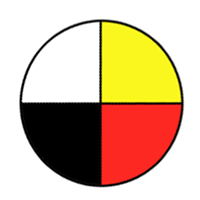
- Kon and the Circle of Life
- Nipi and Mother Earth
- Tate and the Flyers


Let’s Talk Science provides educators of grades 1 to 12 with free, curriculum-aligned STEM resources, including hands-on activities, lesson plans, and professional learning opportunities. It also offers access to outreach programs and digital platforms that support student engagement in science, technology, engineering, and math.
Here are some of the resources that are offered:
- Classroom Resources
- Programs
- Career Resources
- Professional Learning for Teachers
- Request a Volunteer Visit
Although not required for this event, educators are also encouraged to register for Tomatosphere™ to further extend student learning through hands-on investigation opportunities connected to the broadcast.


- Earth Science. Become an Expert. Day and Night During Chinese New Year
- Earth Science. Become an Expert. Day and Night at the Festival of Colors
- Earth Science. Become an Expert. Day and Night on Cinco de Mayo
- Earth Science. Explore on Your Own. Stories in the Stars
- Earth Science. Explore on Your Own. The Sun Shines
- Earth Science. Explore on Your Own. What Do You See in the Moon?
- Earth Science. Sun, Moon, and Stars. Assessment Handbook
- Earth Science. Sun, Moon, and Stars. Big Ideas Big Book
- Earth Science. Sun, Moon, and Stars. Big Ideas Student Book
- Earth Science. Sun, Moon, and Stars. Big Ideas and Vocabulary Cards
- Earth Science. Sun, Moon, and Stars. Classroom Set
- Earth Science. Sun, Moon, and Stars. Learning Masters
- Earth Science. Sun, Moon, and Stars. Science Inquiry Book
- Earth Science. Sun, Moon, and Stars. Science Inquiry Kit
- Earth Science. Sun, Moon, and Stars. Teacher's Edition
- Earth Science. Write about Sun, Moon, and Stars. A New Moon Rover Big Book
- Life Science. Become an Expert. A Wolf's World
- Life Science. Become an Expert. An Alligator's World
- Life Science. Become an Expert. An Elephant's World
- Life Science. Become an Expert. At Home in the Desert
- Life Science. Become an Expert. At Home in the Ocean
- Life Science. Become an Expert. At Home in the Prairie
- Life Science. Become an Expert. Life by a Bay
- Life Science. Become an Expert. Life in a Forest
- Life Science. Become an Expert. Life in a Garden
- Life Science. Become an Expert. Oak Trees and White-Tailed Deer
- Life Science. Become an Expert. Saguaro Cacti and Elf Owls
- Life Science. Become an Expert. Water Lilies and Bullfrogs
- Life Science. Explore on Your Own. A Butterfly's Favorite Plant
- Life Science. Explore on Your Own. Do Wolf Pups Need a Babysitter?
- Life Science. Explore on Your Own. Eat or Be Eaten
- Life Science. Explore on Your Own. The Baobab and the Elephant
- Life Science. Explore on Your Own. The Cactus Name Game
- Life Science. Explore on Your Own. The Giant Water Lily
- Life Science. Explore on Your Own. The Muddy Dragon
- Life Science. Explore on Your Own. Trees, Seeds, and Leaves
- Life Science. Explore on Your Own. Watch Out!
- Life Science. Explore on Your Own. What Are They Good For?
- Life Science. Explore on Your Own. Whose Babies Are These?
- Life Science. Explore on Your Own. Why Don't Crocodiles Make Good Pets?
- Life Science. Habitats. Assessment Handbook
- Life Science. Habitats. Big Ideas Big Book
- Life Science. Habitats. Big Ideas Student Book
- Life Science. Habitats. Big Ideas and Vocabulary Cards
- Life Science. Habitats. Classroom Set
- Life Science. Habitats. Science Inquiry Book
- Life Science. Habitats. Science Inquiry Kit
- Life Science. Habitats. Teacher's Edition
- Life Science. Life Cycles. Assessment Handbook
- Life Science. Life Cycles. Big Ideas Big Book
- Life Science. Life Cycles. Big Ideas Student Book
- Life Science. Life Cycles. Big Ideas and Vocabulary Cards
- Life Science. Life Cycles. Classroom Set
- Life Science. Life Cycles. Learning Masters
- Life Science. Life Cycles. Science Inquiry Book
- Life Science. Life Cycles. Science Inquiry Kit
- Life Science. Life Cycles. Teacher's Edition
- Life Science. Living Things. Assessment Handbook
- Life Science. Living Things. Big Ideas Big Book
- Life Science. Living Things. Big Ideas Student Book
- Life Science. Living Things. Big Ideas and Vocabulary Cards
- Life Science. Living Things. Classroom Set
- Life Science. Living Things. Learning Masters
- Life Science. Living Things. Science Inquiry Book
- Life Science. Living Things. Science Inquiry Kit
- Life Science. Living Things. Teacher's Edition
- Life Science. Plants and Animals. Assessment Handbook
- Life Science. Plants and Animals. Big Ideas Big Book
- Life Science. Plants and Animals. Big Ideas Student Book
- Life Science. Plants and Animals. Big Ideas and Vocabulary Cards
- Life Science. Plants and Animals. Classroom Set
- Life Science. Plants and Animals. Learning Masters
- Life Science. Plants and Animals. Science Inquiry Book
- Life Science. Plants and Animals. Science Inquiry Kit
- Life Science. Write About Habitats. A Coyote in the City Big Book
- Life Science. Write About Life Cycles. We Need More Trees! Big Book
- Life Science. Write About Living Things. Wild Animals in the City Big Book
- Life Science. Write About Plants and Animals. Plants We Eat Big Book
- Physical Science. Become an Expert. At the Market
- Physical Science. Become an Expert. In the Art Class
- Physical Science. Become an Expert. In the Kitchen
- Physical Science. Become an Expert. Tractors on the Farm Push and Pull
- Physical Science. Become an Expert. Trains Push and Pull
- Physical Science. Explore on Your Own. All Aboard!
- Physical Science. Explore on Your Own. Build It!
- Physical Science. Explore on Your Own. Cookie Time
- Physical Science. Explore on Your Own. Decorating a Vase
- Physical Science. Explore on Your Own. Fun Food
- Physical Science. Explore on Your Own. On the Farm
- Physical Science. Properties. Assessment Handbook
- Physical Science. Properties. Big Ideas Big Book
- Physical Science. Properties. Big Ideas Student Book
- Physical Science. Properties. Big Ideas and Vocabulary Cards
- Physical Science. Properties. Classroom Set
- Physical Science. Properties. Learning Masters
- Physical Science. Properties. Science Inquiry Book
- Physical Science. Properties. Science Inquiry Kit
- Physical Science. Properties. Teacher's Edition
- Physical Science. Pushes and Pulls. Assessment Handbook
- Physical Science. Pushes and Pulls. Big Ideas Big Book
- Physical Science. Pushes and Pulls. Big Ideas Student Book
- Physical Science. Pushes and Pulls. Big Ideas and Vocabulary Cards
- Physical Science. Pushes and Pulls. Classroom Set
- Physical Science. Pushes and Pulls. Learning Masters
- Physical Science. Pushes and Pulls. Science Inquiry Book
- Physical Science. Pushes and Pulls. Science Inquiry Kit
- Physical Science. Pushes and Pulls. Teacher's Edition
- Physical Science. Write About Properties. Making Juice Pops Big Book
- Physical Science. Write About Pushes and Pulls. Pushes and Pulls at Home Big Book

Included in the resource is a variety of formats to support resource-based learning. Instructional strategies are explained and differentiating instruction is included to assist teachers with the diversity within the classrooms. The "release of responsibility" model has students demonstrating and applying their knowledge in a variety of ways. A comprehensive approach is used to teach the cues and conventions and they are incorporated into the framework of the lesson plans. There are cross-curricular units that link to science and social studies.
The teacher's guide is detailed and comprehensive with formative and summative assessment tools. Teacher reflection is emphasized.
- Nelson Literacy 1. Cross-Curricular Kit. Energy in the Environment
- Nelson Literacy 1. Cross-Curricular Kit. Materials and Objects
- Nelson Literacy 1. Cross-Curricular Kit. My World
- Nelson Literacy 1. Cross-Curricular Kit. Relationships, Rules, and Responsibilities
- Nelson Literacy 1. Cross-Curricular Kit. Seasons
- Nelson Literacy 1. Cross-Curricular Kit. The Needs of Living Things
- Nelson Literacy 1. Guided Reading Kit. Energy in Our Lives
- Nelson Literacy 1. Guided Reading Kit. Materials and Objects
- Nelson Literacy 1. Guided Reading Kit. My World
- Nelson Literacy 1. Guided Reading Kit. Relationships, Rules, and Responsibilities
- Nelson Literacy 1. Guided Reading Kit. Seasons
- Nelson Literacy 1. Guided Reading Kit. The Needs of Living Things
- Nelson Literacy 1. Single Copy Set. Energy in Our Lives
- Nelson Literacy 1. Single Copy Set. Materials and Objects
- Nelson Literacy 1. Single Copy Set. My World
- Nelson Literacy 1. Single Copy Set. Relationships, Rules, and Responsibilities
- Nelson Literacy 1. Single Copy Set. Seasons
- Nelson Literacy 1. Single Copy Set. The Needs of Living Things



- Pan-Canadian Science Place 1. Design Team
- Pan-Canadian Science Place 1. Design Team. Teacher's Guide
- Pan-Canadian Science Place 1. Earth Watch
- Pan-Canadian Science Place 1. Earth Watch. Teacher's Guide
- Pan-Canadian Science Place 1. It's Alive!
- Pan-Canadian Science Place 1. It's Alive! Teacher's Guide
- Pan-Canadian Science Place 1. What's It Like?
- Pan-Canadian Science Place 1. What's It Like? Teacher's Guide

- A-Maze! Additional Fiction Little Book Pack
- Days and Seasons. Additional Non-Fiction Little Book Pack
- Exploring With Our Senses. Additional Non-Fiction Little Book Pack
- Groundhog Day. Additional Fiction Little Book Pack
- Living Things. Additional Non-Fiction Little Book Pack
- Moko's Adventures on Earth. Additional Fiction Little Book Pack
- Objects Everywhere. Additional Non-Fiction Little Book Pack
- On the Trail. Additional Fiction Little Book Pack
The Sask Outdoors website offers educators a wealth of resources, including lesson plans, professional development opportunities, and tools designed to integrate outdoor and environmental education into their teaching practices. It also provides access to specialized programs like Project WET, climate action education, and guides for facilitating outdoor learning experiences.
Some of the resources offered:
-
Curriculum-Aligned Lesson Plans – Access a variety of outdoor and environmental education lessons tailored to Saskatchewan curricula.
-
Professional Development Workshops – Participate in training programs like Project WET, Project WILD, and Below Zero to enhance outdoor teaching skills.
-
Climate Action Education Resources – Explore toolkits and guides for teaching climate change, sustainability, and environmental stewardship.
-
Outdoor Learning Guidebook – Download “A Teacher’s Guidebook for Bringing Learning Outside” to support planning and risk management for outdoor education.
-
Networking and Community Events – Join a community of educators and outdoor leaders through conferences, meetups, and collaborative initiatives.


- Uncovering Student Ideas in Science, Volume 2: 25 More Formative Assessment Probes
- Uncovering Student Ideas in Science, Volume 3: Another 25 Formative Assessment Probes
- Uncovering Student Ideas in Science, Volume 4: 25 New Formative Assessment Probes

This book highlights the importance of looking ahead to and planning for what we leave our grandchildren and the generations to follow.


- It's Fall!
- It's Spring!
- It's Winter!


A program for the video is available.

- Who Likes the Rain?
- Who Likes the Snow?
- Who Likes the Sun?
- Who Likes the Wind?


This video's controlled vocabulary, simple sentence structures, and chapter segments make it an ideal choice for emergent readers. Youngsters will be drawn to the cartoon-like animations and quirky story, which offers possibilities for sequencing, predicting, and character analysis. Thematically, this tale could be used for discussions about exotic pets, unusual friendships, families, and overcoming obstacles. From a science perspective, opportunities abound for the study of flies and other insects, particularly those considered pests. Buzz, who is outfitted with a butterfly net, hard hat, and insect jar, will introduce students to the naturalist's world.
The book won the 2005 Notable Children's Book Award for the Association for Library Service to Children.

At the back of the book is additional information on the Canada goose, migrating and resident geese and a suggestion for a budding scientist.


Each two-page spread is illustrated with paper-sculpture art. One page is done in colour and the corresponding page is in white. Each illustration provides a clue to the next animal on the following page.
The book includes a legend that contains brief information about each animal in the book.

The book includes a table of contents, an appendix, a reference, a bibliography and an index.

The handbook includes samples of student work and a table of contents.
Get young learners moving, thinking, and creating! Join us for a 45-minute virtual broadcast where students will embark on a journey of computational thinking as they delve into the art of creating secret handshakes.
Through the lenses of decomposition, abstraction, and algorithmic thinking, students will break down a variety of hand movements into simpler steps, abstract essential elements, and create algorithms to choreograph their unique handshakes.
Build confidence, discover new teaching strategies and watch as a Let’s Talk Science facilitator guides you step-by-step through the session. Get ready to unlock the secrets of communication through computational creativity!


- Looking Closely Across the Desert
- Looking Closely Along the Shore
- Looking Closely Inside the Garden


Numerous opportunities are provided for students to engage in hands-on explorations that ensure a thorough understanding of key science concepts. Each unit opens with a Big Question to guide learning. Throughout the unit, there are four levels of inquiry. The Explore Activity allows students to build background knowledge. Teachers direct instruction in Directed Inquiry. In Guided Inquiry, students become independent learners with guidance from the teacher. Students choose their own questions, create and carry out plans, collect and record data and share data in Open Inquiry.
Additional materials for students and teachers are available online at www.myngconnect.com/login/chooseMainUI.spr
- Earth Science. Assessment Handbook
- Earth Science. Become an Expert. Day and Night in the City
- Earth Science. Become an Expert. Day and Night in the Woods
- Earth Science. Become an Expert. Day and Night on a Farm
- Earth Science. Become an Expert. People Play in All Kinds of Weather
- Earth Science. Become an Expert. People Travel in All Kinds of Weather
- Earth Science. Become an Expert. People Work in All Kinds of Weather
- Earth Science. Big Ideas and Vocabulary Cards
- Earth Science. Day and Night/Weather and Seasons. Classroom Set
- Earth Science. Explore on Your Own. Bright At Night
- Earth Science. Explore on Your Own. Daytime and Nighttime
- Earth Science. Explore on Your Own. Weather Fun
- Earth Science. Explore on Your Own. Weather on a Trip
- Earth Science. Explore on Your Own. What Does It Look Like?
- Earth Science. Explore on Your Own. Working in Snowy Weather
- Earth Science. Learning Masters
- Physical Science. Assessment Handbook
- Physical Science. Become an Expert. Animals Push and Pull
- Physical Science. Become an Expert. Objects at a Fair
- Physical Science. Become an Expert. Objects at a Park
- Physical Science. Become an Expert. Objects at a Party
- Physical Science. Become an Expert. People Push and Pull
- Physical Science. Become an Expert. Vehicles Push and Pull
- Physical Science. Big Ideas and Vocabulary Cards
- Physical Science. Explore on Your Onw. Push and Pull Faces
- Physical Science. Explore on Your Own. Pack a Picnic
- Physical Science. Explore on Your Own. Pizza Party
- Physical Science. Explore on Your Own. Toys to Push and Pull
- Physical Science. Explore on Your Own. What Can Pull Wagons?
- Physical Science. Explore on Your Own. What is Red?
- Physical Science. Learning Masters
- Physical Science. Observing Objects/How Things Move. Classroom Set

A teacher's guide is available.

Teachers may consider inviting an Elder or traditional knowledge keeper into the classroom to tell the narratives.


Teachers may consider bringing an Elder into the classroom to discuss our relationships to the land.
This book was selected as a finalist for the 2009 Canadian Children's Book Centre - Best Books for Kids and Teens.


Online videos at www.edutopia.org demonstrate how role models help to generate student understanding. There are examples that show how educators can enable students to think critically, transfer skills and knowledge and be flexible problem solvers, both inside and outside the classroom.
The book includes a table of contents, an appendix, a bibliography and a subject index.

- Build It!: Structures, Systems, and You
- Change It!: Solids, Liquids, Gases and You
- Move It!: Motion, Forces and You
- Touch It!: Materials, Matter and You

The book includes a table of contents, appendices and an index.


The book includes a table of contents and an index.


A teacher's guide is available.

A study guide is available.


Children will realize that we depend upon the people who work together to grow and to share food for our sustenance, while protecting and respecting the land and animals.


Curio is the CBC’s educational streaming service made available at no cost to Saskatchewan teachers and students by the Ministry of Education and is available on ROVER. Previewing resources is recommended.
Key features of this resource:
-
-
- Access to a large CBC collection of:
- educational series
- documentaries
- news stories
- archival footage
- podcasts
- radio programs
- Content in English and French
- Search using:
- Grades, themes, subjects, titles, keywords
- Access to a large CBC collection of:
-
This document will assist individuals and communities to engage in meaningful discussions and actions to respond to the experiences, perspectives and needs of students and families who are gender and/or sexually diverse (GSD).
Content includes:
- Gender and Sexual Diversity
- First Nations and Métis Ways of Knowing
- Assumptions, Privilege and Oppression
- Comprehensive School Community Health (CSCH)
- CSCH Approach to Creating Inclusive Schools


- Abstraction: Kindergarten to Grade 3
- Algorithmic Thinking: Kindergarten-Grade 3
- Decomposition: Kindergarten to Grade 3
- Focus on Coding and Literacy: Kindergarten to Grade 3
- Focus on Coding and Numeracy: Kindergarten to Grade 3
- Focus on Coding and STEM: Kindergarten - Grade 3
- Pattern Recognition: Kindergarten-Grade 3
- Testing and Evaluating: Kindergarten-Grade 3


and grades. Suggested curriculum outcomes are identified and, if applicable, supporting indicators
are noted.


The purpose of the presentation is to describe strategies teachers can use to approach content that may be perceived as sensitive in their community in order to:
- ensure the learning environment is safe for respectful dialogue;
- teach students how to think critically about any topic with an open mind; and,
- meet curricular outcomes.

Saskatchewan context, differentiation is addressed through the Adaptive Dimension which enables all teachers to respond to student diversity, including their strengths and needs, interests, backgrounds, life experiences and motivations.
